Beekeeping in Norway
Certified beekeeper in Norway based in Bergen — natural beekeeping, swarm collection, pollination services and handcrafted traditional wooden hives
Services
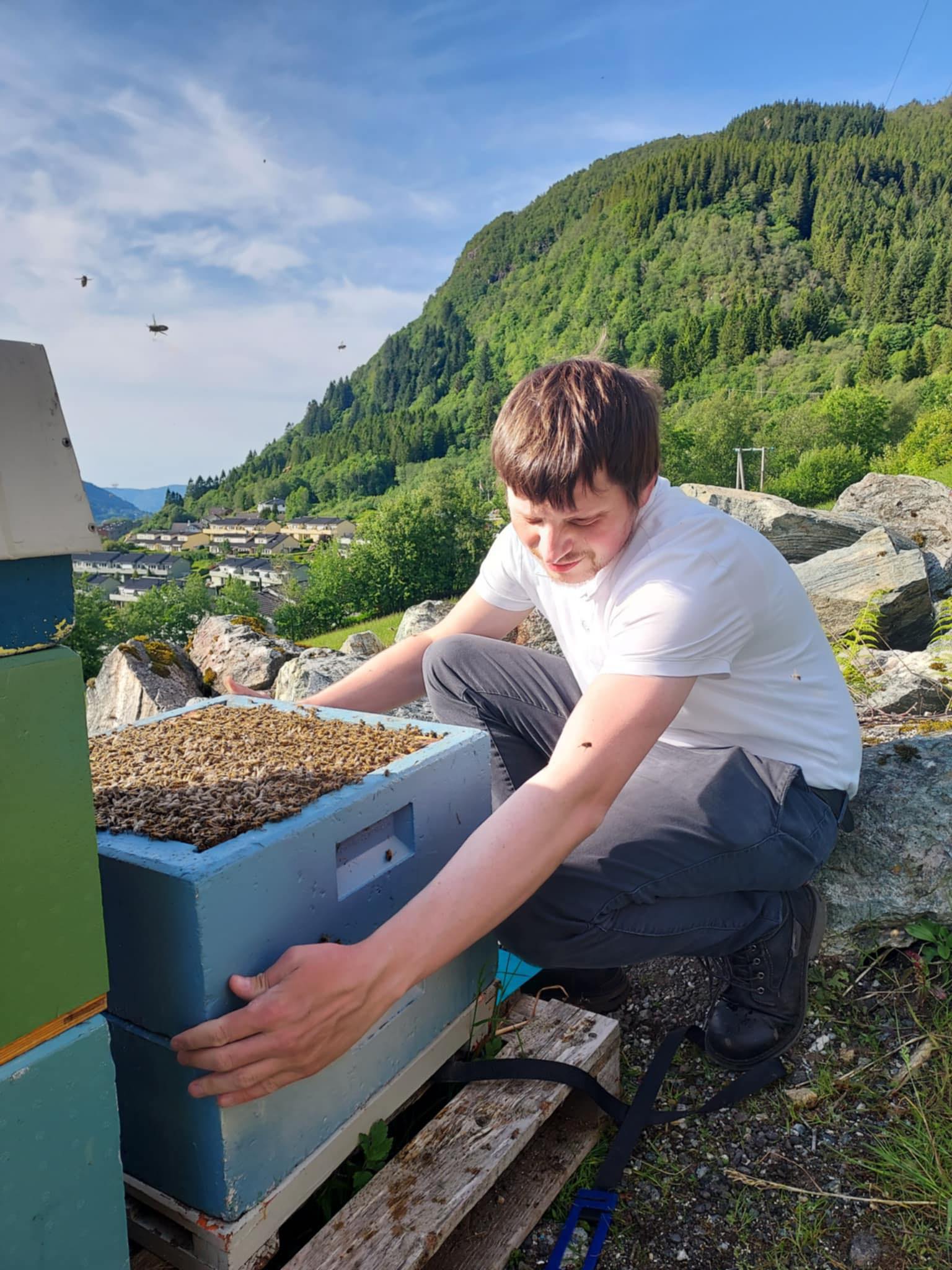
Swarm Collection
Free · Bergen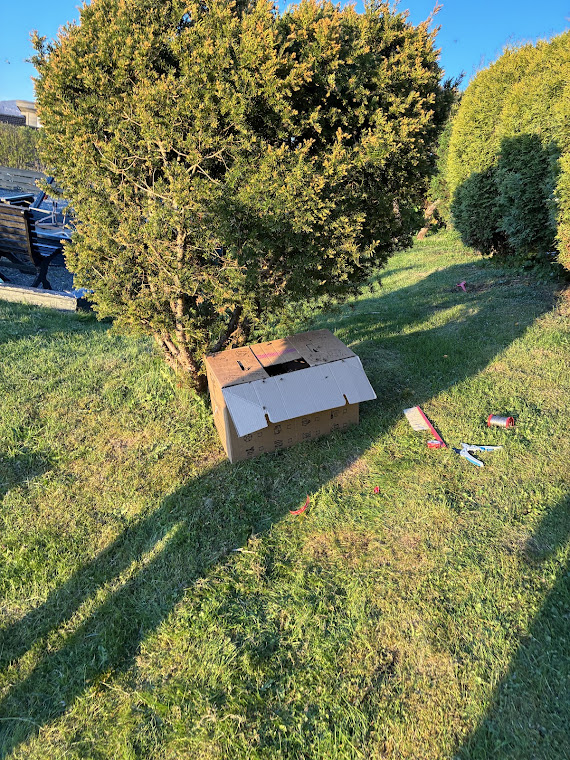
Spotted a swarm on your property? Contact me immediately — I collect bee swarms free of charge in Bergen and surrounding areas.
Learn moreSwarm Traps
Free · all NorwayProtect your building from swarms. I set out bait boxes that catch swarms before they settle in a chimney or facade — free, across all of Norway.
Learn morePollination
Bees for space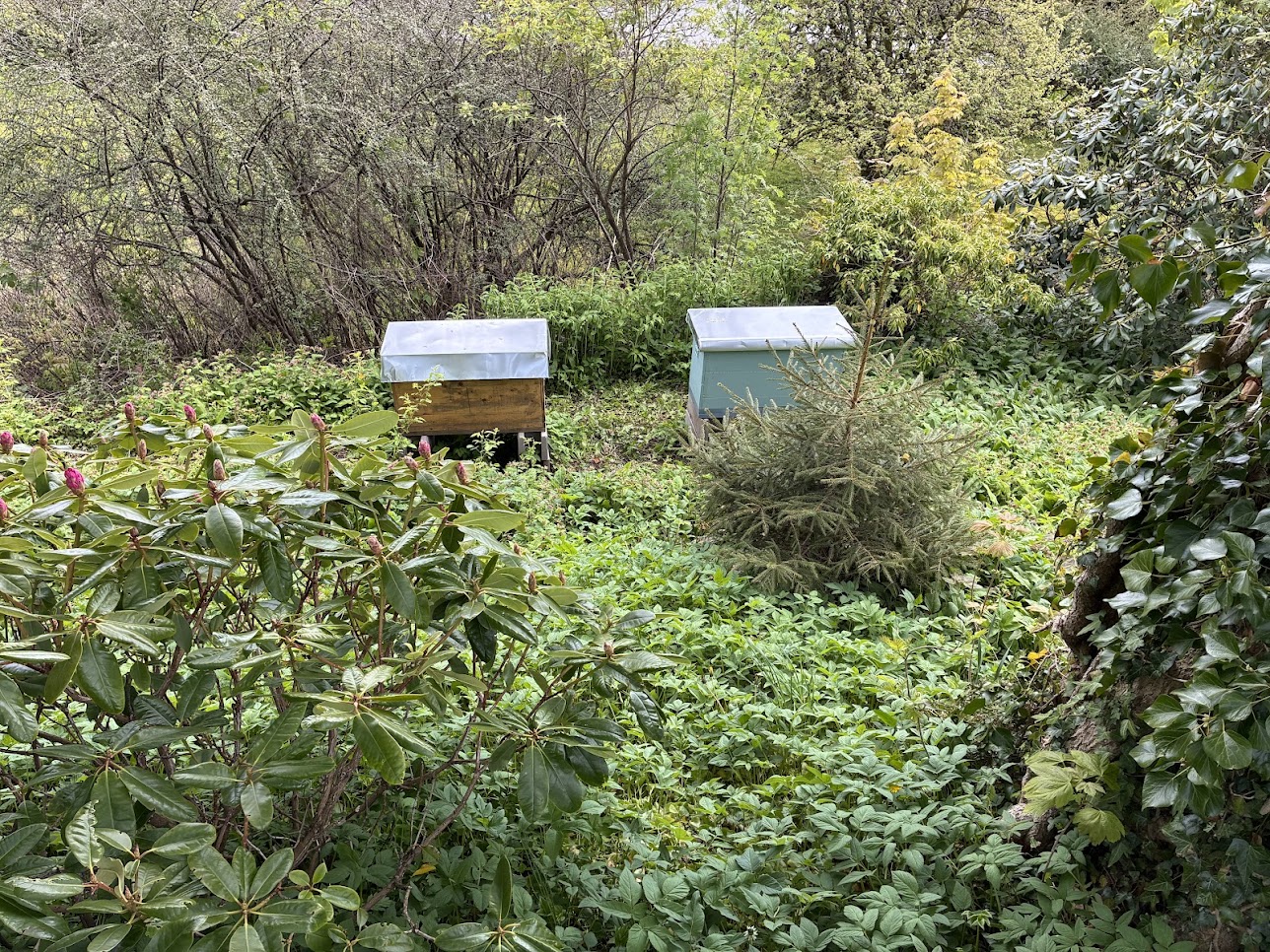
I place my colonies in your garden free of charge during the season. You provide the space and flowers — the bees do the rest.
Learn moreBeehives
Handcrafted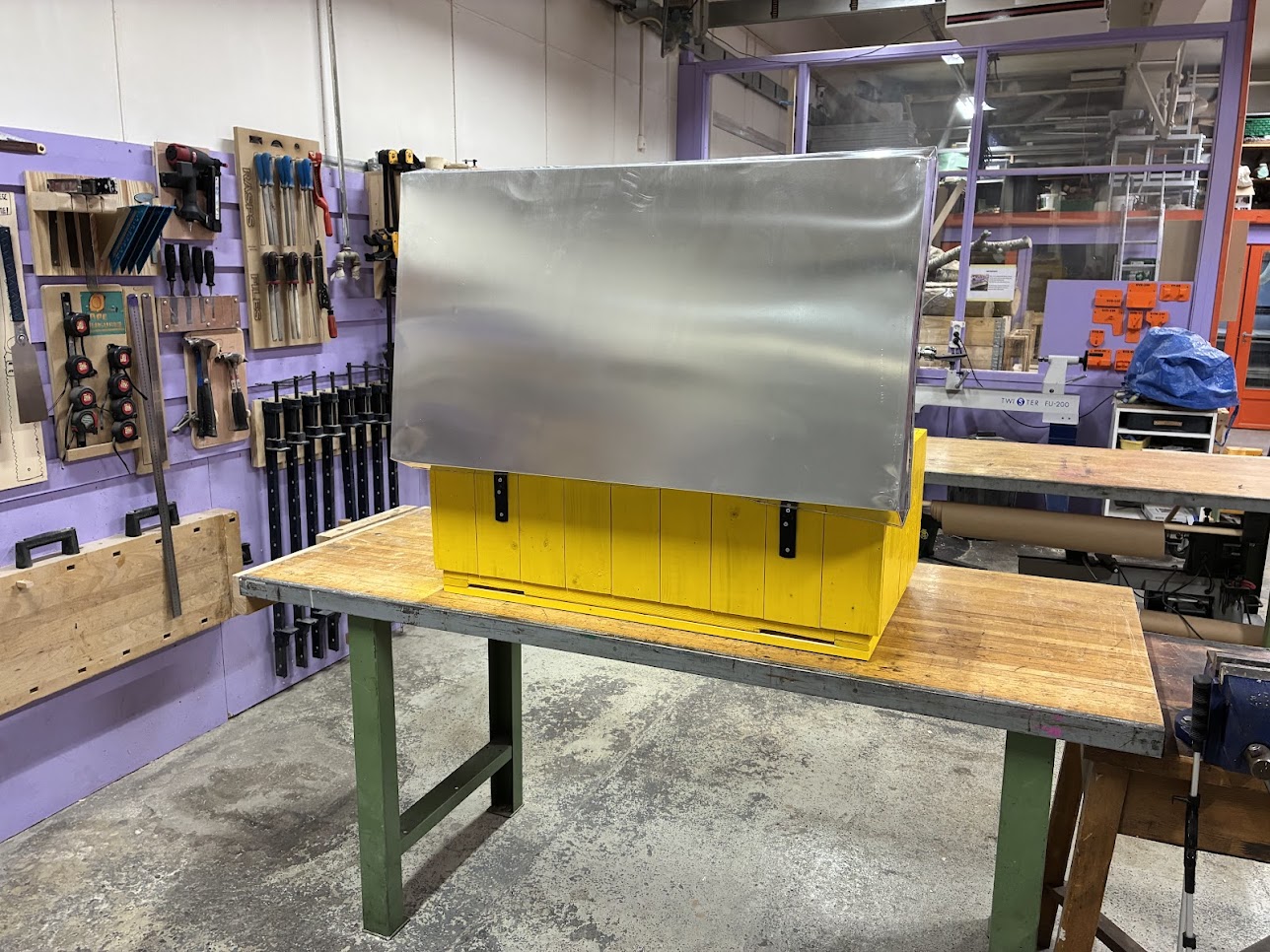
Horizontal hives are uncommon in Norway — I build and experiment with them myself. Solid wooden hives for natural beekeeping.
Learn moreCities for Bees
Cities & neighborhoods
One in three bites of food exists because an insect visited a flower. One balcony. One rooftop. One unmowed lawn. That is how the movement starts — #CitiesForBees.
Learn moreHoney
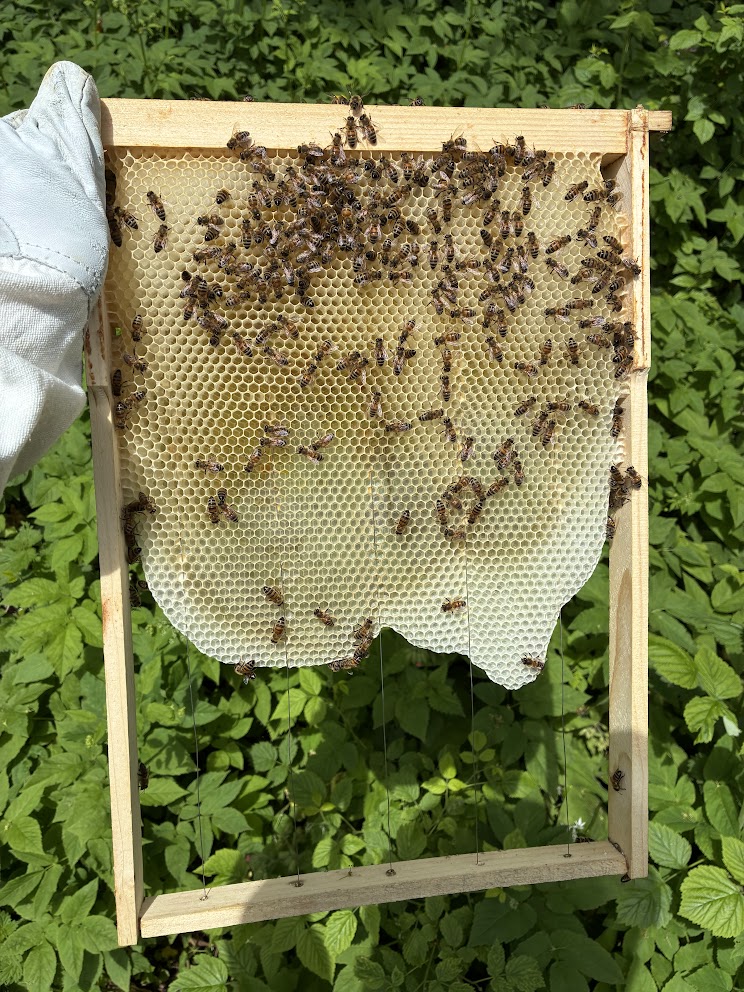
I don't sell honey — I specialise in bees adapted to the extreme conditions of rainy Bergen. My goal is a biological reserve, not production. This year it rained, the weather was rough, and snow fell when the trees were in bloom — I want the bees to go into winter with enough honey.
Learn moreBeekeeper in Norway
My name is Martin Venclu and I am a certified beekeeper based in Bergen, with the ambition to develop beekeeping projects in more places across Norway over time. Bees have been part of my life since childhood in Obora — a village in South Moravia, Czech Republic, with a centuries-long beekeeping tradition, where the village coat of arms bears a honeycomb and a tree.
I work with natural methods where possible: my colonies build freely in empty frames, I leave the bees enough honey to winter on, and my focus is on building healthy, resilient colonies for future generations rather than maximizing production.
Swarm Collection in Bergen and Surrounding Areas
Did you spot a swarm — a cluster of bees in a tree, under a roof edge, or anywhere on your property? Contact me right away.
I collect bee swarms free of charge in Bergen and the surrounding area. A swarm is not dangerous, but the sooner we act, the better for the bees.
📧 info@wenzl.no · 📞 +47 926 20569
Swarm traps
Swarming bees can settle where you least want them — in a chimney, a cavity, or behind a wooden facade. Removing an established colony from a building is expensive and difficult.
I offer a simpler solution: swarm traps. These are small bait boxes that attract swarms, so the bees choose the trap instead of your building. The service is free — all I need is the owner’s permission to place a trap on the property.
If a trap catches a swarm, I collect it, treat the bees professionally in my “bee hospital”, and make sure they survive the winter.
This offer applies across all of Norway. Where I can’t drive, I’ll gladly send a trap by post — on the condition that the swarm caught in it becomes mine.
Pollination Service
Bees are the most important pollinators for fruits, berries, and vegetables. Without bees, no harvest.
Do you have a garden, smallholding, or allotment in the Bergen region? I offer my colonies for pollination completely free — all I ask for is a suitable place to park the hives. Landowners normally pay beekeepers for this service; I do it the other way around.
What you get: Vigorous pollination throughout the season. What I get: A place for my bees to thrive.
Contact me to arrange pollination for your land this season.
Email: info@wenzl.no
Phone: +47 926 20569
Location: Bergen, Norway
Open to collaboration and local projects
Call +47 926 20569 for a quick appointment.
Handcrafted Beehives
Horizontal hives (lying hives) are not part of Norwegian beekeeping tradition — they are something I brought with me and experiment with here in Norway. I build them myself, by hand in Bergen, in solid wood — I made my own Ukrainian hives here. Wood breathes, insulates and lasts as no factory material can:
Gregor Horizontal Hive — Norwegian frame size
An insulated wooden Gregor-type horizontal hive in Norwegian frame dimensions with two supers above for winter colony division. It was developed in Bergen and for Bergen’s conditions, to protect bees in the city’s rainy weather and give them comfort through the winter as well. This type was originally made by my friend Jan Gregor, from whom I took over the craft and received permission to continue making these hives; for rainy Bergen, the outer shell is additionally protected against water. The supers warm up naturally from the colony below — gentle on the bees through the cold season.
Ukrainian Horizontal Hive — family tradition
Built after the tradition of my wife’s grandfather, who kept bees in Ukraine. My first two Ukrainian horizontal hives were built with help from a friend from Ukraine. Thick-walled boxes that mimic a natural hollow tree, providing excellent insulation. This hive type is traditionally used in apitherapy, often in a small bee house, where the hives stand beneath a bed or resting platform so people can relax and sleep above them. It is a calm way to unwind and feel closer to nature.
Accessible Horizontal Hive
It builds on the proven Gregor horizontal hive, but I use even thicker solid-wood walls and the standard Norwegian frame size. My goal was to make beekeeping accessible to everyone while ensuring that the hive takes ordinary Norwegian frames, so it remains compatible with other beekeepers even in harsh northern conditions. That is crucial when a weak colony needs to be strengthened with brood from another colony. It can also be insulated with wool from local Norwegian sheep. Instead of supers above the main colony, it has a light hinged aluminium roof so the hive is quick and easy to access. Children, people with back pain, and even wheelchair users can work with it. It is an accessible beekeeping hive. (The yellow hive.)
Interest in the hives has already begun to arrive — get in touch if you would like a hive.
Bee-Friendly Cities
Bees need flowers — and cities can give them. I work with municipalities, schools, and organizations on:
- Placing decorative traditional beehives in parks, squares, and public green areas
- Information boards and educational materials about bees and pollination
- Urban beekeeping consulting — which flowers to plant, and when, to keep bees fed throughout the season
- Management of urban bee colonies
I already have an active project in Bergen where bees are present in public spaces, visible and accessible to everyone.
Institutional Cooperation
I have experience placing bee colonies in institutional settings. One active example is DPS Soli in Bergen, where my hives stand in the garden as support for local ecology and biodiversity.
If your institution — hospital, care home, school, or workplace — has garden space and would like resident bee colonies, get in touch.
Apitherapy
An apidomek (apitherapy house) is a small cabin or shelter where people sleep above the hives — a calm, unusual way to rest deeply in nature. The Ukrainian horizontal hive is the traditional hive type for this purpose: low and wide, designed to fit beneath a sleeping platform.
I offer:
- Consulting and construction of apidomki (apitherapy houses) — small cabins where guests sleep directly above the hives
- Ukrainian horizontal hives built and operated for apitherapy settings
- Guidance for care facilities, rehabilitation centres, and wellness projects considering apitherapy
My Philosophy
Wood, not plastic
Plastic hives are for plastic bees. For millions of years, bees have lived in tree hollows — with natural insulation, breathability and structure that no factory material can replicate. I build and use wooden hives because wood gives bees the conditions they were made for.
Honey belongs to the bees
Honey is the bees’ food — not a product waiting to be harvested. A healthy, well-tended colony may have surplus honey to share; an exploited colony has none. My default is to leave the honey where it belongs. I take a small portion only when a colony is strong and has genuine surplus.
Swarming is reproduction
A swarm is not a failure — it is a success. Swarming is how bees have reproduced for millions of years, and it is the most natural form of colony growth. Where it is safe for the surroundings, I allow my bees to swarm. It strengthens the local bee population and preserves instincts essential to the species’ survival.
Bring bees back to our cities
It saddens me to walk past a blooming city tree and hear nothing. Growing up in Obora, I learned to know that sound as music: the trees in the village hummed through summer, and the linden in front of our house was always alive with bees — a sound that still gladdens my soul. Let us make our cities places where bees can thrive. Plant flowers that bloom through the whole season. Give bees space in gardens, on rooftops and in parks. Not just for the bees — for ourselves.
A biological reserve
I am not building a honey business. My goal is to create a biological reserve — healthy, chemical-free colonies kept outside the commercial system and preserved for the generations who come after us.
My Background
The home of beekeeping — Obora
I grew up in Obora — a village in the Blansko district of South Moravia, Czech Republic, founded in 1360. The village coat of arms bears a honeycomb and a tree, and beekeeping has been part of Obora since time immemorial. As a child I was already connected to bees: the local cooperative Vcelpo Obora supplied honey to my kindergarten, and I got my first sting on the playground there.
In 2010, Obora celebrated its 650th anniversary. That is where I met Josef Stejskal from Hutě — a skilled beekeeper and distant relative — who taught me the fundamentals of beekeeping at his apiary and passed on knowledge kept alive through generations. I have been a beekeeper ever since.
Academic education
After hearing doc. Ing. Antonín Přidal, Ph.D. lecture on varroa mites in Boskovice, I contacted him to study under his guidance. I completed the course Beekeeping and Bee Product Processing at Mendel University in Brno — where doc. Přidal is one of Central Europe’s leading experts on Varroa destructor and apiculture science.
Official certification
In Norway, I am a certified beekeeper with a certificate issued in Bergen.
Family tradition
Beekeeping is not just my profession — it is my family history. My great-grandfather kept bees in Voderade near Kunštát. My wife’s grandfather kept bees in Ukraine — his tradition lives on in the Ukrainian horizontal hives I build myself. Josef Stejskal, who taught me beekeeping in Obora, is also a distant relative. I carry on a living family beekeeping tradition on both sides.
Get in touch
Swarms, pollination, hives or city projects — I reply promptly.